
By using our website, you agree to the use of cookies as described in our Cookie Policy
Choosing Exterior Paint That Holds Up in Mid Coast Weather
Mid Coast homes take a beating. Salt spray doesn't just sit on your siding—it eats through it. Fog rolls in and moisture settles into every crack. Then the sun comes out and bakes it all dry, only for the cycle to repeat. Most homeowners think a fresh coat of paint is about curb appeal. It is. But it's also about defense. And if you're not choosing the right product, you're repainting in three years instead of ten.
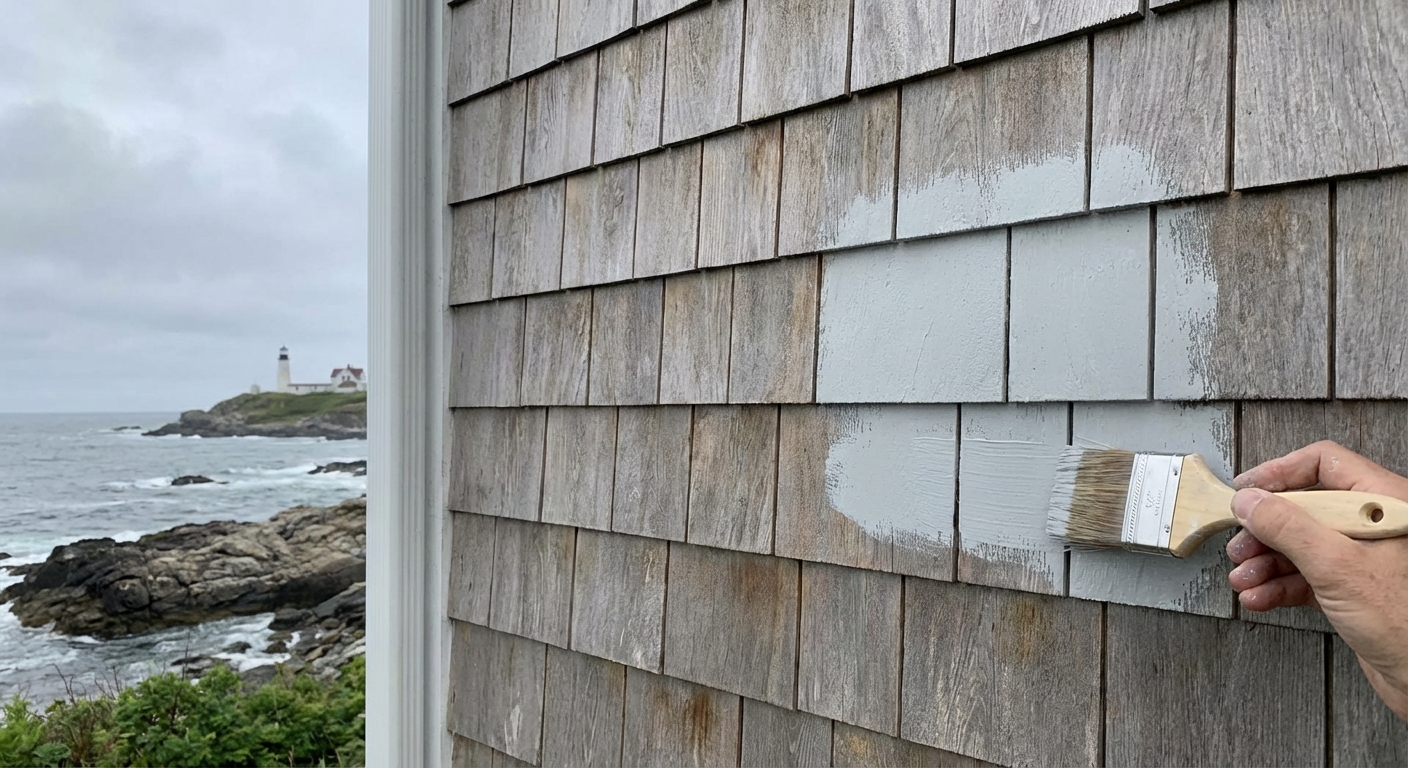
The weather here isn't forgiving. It's a mix of humidity, wind, UV exposure, and salt that can strip a finish faster than you'd expect. So the question isn't whether your paint will face challenges—it's whether it can handle them. That means understanding what breaks down coatings in this climate and what keeps them intact.
Salt and Moisture Don't Play Fair
Coastal air carries more than a breeze. It's loaded with salt particles that cling to surfaces and corrode over time. Add in the constant humidity from fog and rain, and you've got a recipe for peeling, blistering, and mildew. Standard paints weren't built for this. They might hold up fine inland, but out here? They fail fast.
The real damage happens when moisture gets under the paint film. Once that happens, adhesion breaks down. The paint lifts. Water seeps into the substrate. And suddenly you're dealing with rot, not just cosmetics. That's why moisture resistance isn't optional—it's the baseline.
UV Rays Fade More Than Color
Sunlight doesn't just bleach your paint. It breaks down the binders that hold pigment together. Over time, that leads to chalking, where the surface turns powdery and dull. In the Mid Coast, you get intense summer sun mixed with reflective glare off the water. That accelerates degradation.
High-quality exterior coatings include UV inhibitors that slow this process. They protect the pigment and the integrity of the film itself. Without them, even the best prep work won't save you from a faded, brittle finish within a few seasons.
What to Look for When You're Shopping
Not every can on the shelf is up to the job. You need a product engineered for harsh environments, not just one that looks good in the store. Here's what separates the winners from the failures:
- Water resistance that blocks moisture from penetrating the film
- UV blockers that preserve color and prevent breakdown
- Salt tolerance, especially if you're within a mile of the water
- Flexibility to handle expansion and contraction without cracking
- Mildewcides that stop mold before it starts
Acrylic Latex Leads the Pack
For most Mid Coast homes, acrylic latex is the go-to. It adheres well, flexes with temperature swings, and resists moisture better than older formulations. It's also easier to clean and less toxic than oil-based alternatives. If you're painting wood, fiber cement, or stucco, this is your best bet.
Elastomeric coatings take it a step further. They're thicker, more flexible, and can bridge hairline cracks. If your siding has minor imperfections or you're in an area with heavy rain exposure, elastomeric paint adds an extra layer of protection. It's overkill for some homes, but for others, it's exactly what's needed.
Surface Prep Decides How Long It Lasts
Even the toughest paint won't stick to a dirty, flaking surface. Before you open a can, you need to clean off salt residue, scrape loose paint, and repair any damaged areas. Power washing helps, but don't skip the hand work. Sand rough spots. Fill cracks. Prime bare wood or metal.
A quality primer designed for coastal conditions makes a difference. It seals the substrate, improves adhesion, and gives the topcoat a stable foundation. Skipping this step is one of the fastest ways to waste money on a paint job that won't last.
Color Choices Affect Performance
Lighter shades reflect heat and UV rays, which helps them hold up longer. Darker colors absorb more energy, which can lead to faster fading and chalking. That doesn't mean you can't go bold—just know that deep blues, reds, and blacks may need touch-ups sooner than whites, grays, or tans.
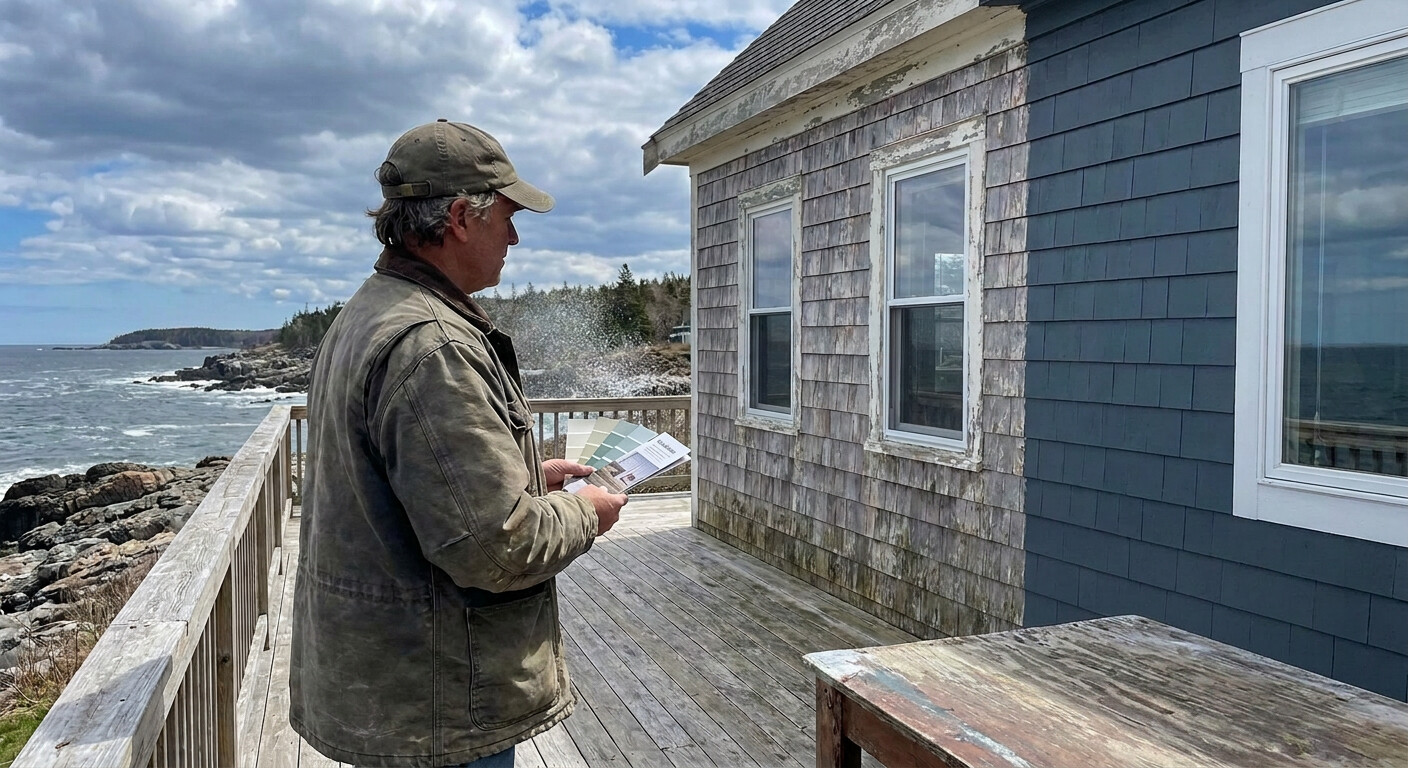
Consider your home's exposure too. South-facing walls get hammered by the sun. North-facing walls stay damp longer. Matching your color strategy to your home's orientation can extend the life of your finish. Understanding color palette selection for Midcoast homes can help you make informed decisions that balance aesthetics with durability.
Maintenance Keeps the Warranty Valid
Once the paint's on, the work isn't over. Annual washing removes salt, dirt, and organic growth that can degrade the coating. Inspect for chips or cracks and touch them up before water gets in. Keep gutters clear and trim back vegetation that holds moisture against the siding.
These aren't complicated tasks, but they're easy to ignore. And ignoring them is how a ten-year paint job turns into a five-year one. A little upkeep goes a long way in a climate this aggressive. Knowing how often Midcoast homes need repainting helps you plan for long-term maintenance and budget accordingly.
Common Mistakes That Cost You
Plenty of homeowners try to save money by going with cheaper paint or skipping prep. That's a gamble that rarely pays off. Here's where most people go wrong:
- Using interior-grade or low-quality exterior paint that can't handle moisture
- Skipping primer or using the wrong type for the substrate
- Painting over dirty or flaking surfaces
- Choosing dark colors without understanding the UV trade-off
- Ignoring manufacturer guidelines for temperature and humidity during application
When to Bring in a Pro
If your home has multiple stories, tricky trim work, or significant damage, hiring a professional painter makes sense. They'll have the tools, experience, and product knowledge to get it right the first time. They'll also know which coatings perform best in your specific microclimate.
A good contractor will walk the property, point out problem areas, and recommend solutions you might not have considered. That's worth paying for, especially if it means avoiding a redo in a few years. Professional exterior painting services ensure proper application and material selection for coastal conditions.
Products Built for the Coast Work Better
Some paint lines are specifically marketed for marine and coastal environments. These aren't gimmicks—they're formulated with higher levels of mildewcides, better binders, and enhanced UV protection. Brands like Benjamin Moore's Aura, Sherwin-Williams' Duration, and Behr's Premium Plus Ultra all offer coastal-rated options.
Read the label. If it says "coastal" or "marine," it's been tested for salt and moisture exposure. If it doesn't, you're taking a chance. The price difference is usually minimal compared to the cost of repainting early. Understanding exterior paint lifespan in Midcoast Maine helps you evaluate whether premium products justify their cost through extended durability.
Your Home Deserves a Finish That Fights Back
Choosing exterior paint for Mid Coast weather isn't about picking a color you like. It's about selecting a product that can stand up to salt, moisture, UV rays, and temperature swings without breaking down. The right paint, applied correctly and maintained regularly, will protect your investment and keep your home looking sharp for years.
Don't settle for a finish that fades, peels, or fails before its time. Do the research. Prep the surface. Use quality materials. And if you're not sure, ask someone who knows. For comprehensive guidance on both exterior and interior painting for Midcoast Maine homes, professional expertise ensures your project succeeds. Whether you need residential painting services or simply want to explore your options, working with experienced professionals makes all the difference. Your home's exterior is too important to leave to chance.
Let’s Protect Your Home Together
We know how tough Mid Coast weather can be on your home’s exterior, and we’re here to help you choose paint that stands up to every season. If you’re ready to give your house a finish that lasts, let’s talk about your project and what will work best for your needs. Call us at 207-323-3374 or get a quote today—we’re ready to help you get started.
‹ Back