
By using our website, you agree to the use of cookies as described in our Cookie Policy
Painting Company in Bar Harbor, ME
Finding Bar Harbor painters who understand the unique challenges of coastal New England properties isn't always easy. Salt air, shifting humidity, and harsh winters demand paint solutions that go beyond basic application—they require expertise in protecting homes and businesses from environmental wear while enhancing curb appeal. Whether you're refreshing a historic cottage near the Village Green or updating a commercial space along Main Street, choosing the right professionals makes all the difference in longevity and finish quality. Accent Painting, Inc. brings that specialized knowledge to every project, understanding that house painting in Bar Harbor means adapting to microclimates, architectural styles, and the specific needs of year-round and seasonal properties alike.
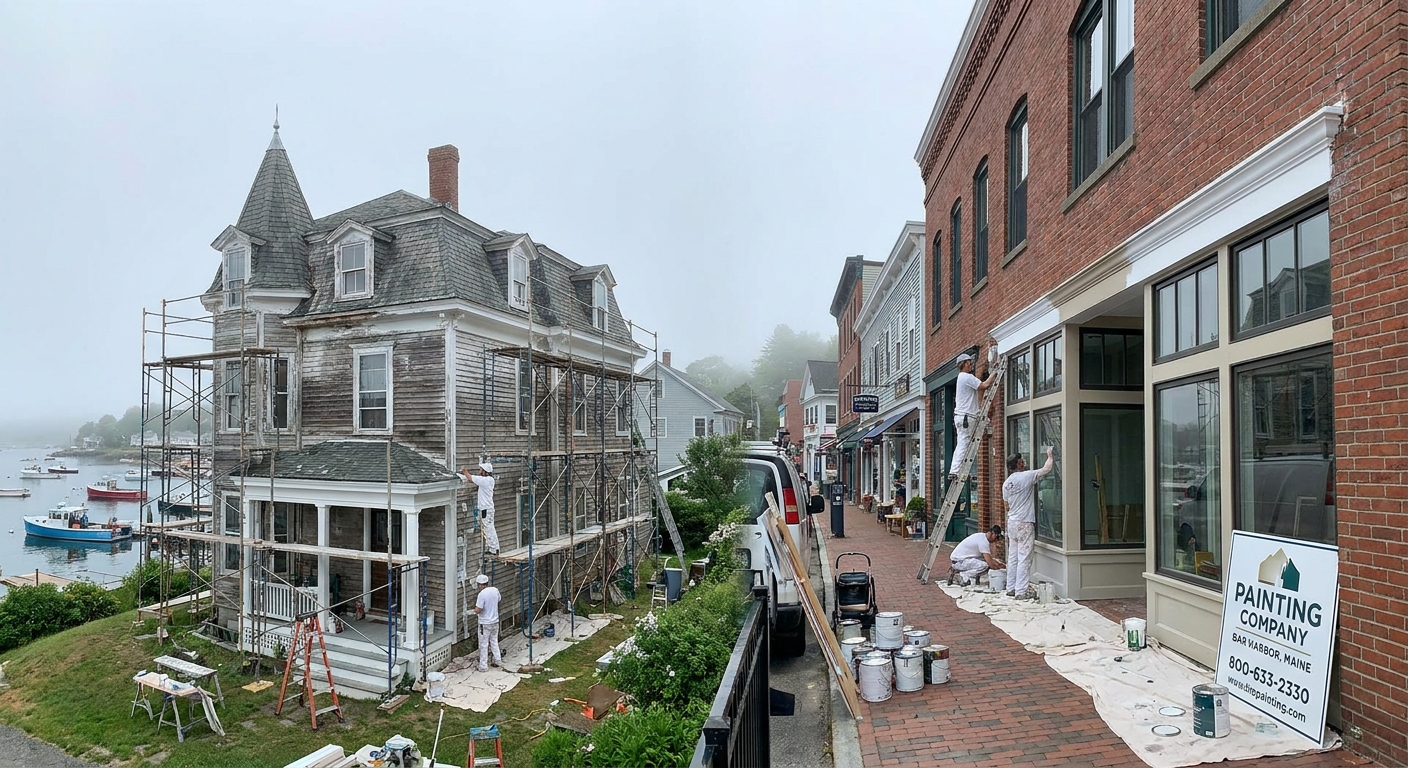
This isn't just about aesthetics. The salt-laden air rolling in from Frenchman Bay can accelerate paint deterioration, while temperature swings between seasons create expansion and contraction that test even premium coatings. Homeowners near Acadia National Park face additional considerations—properties in shaded forest settings retain moisture differently than those with open ocean views. Business owners along Cottage Street need durable finishes that withstand foot traffic and weather exposure without constant touch-ups. These factors make residential painting near Bar Harbor a specialized craft, one that requires selecting the right primers, topcoats, and application methods for each unique setting.
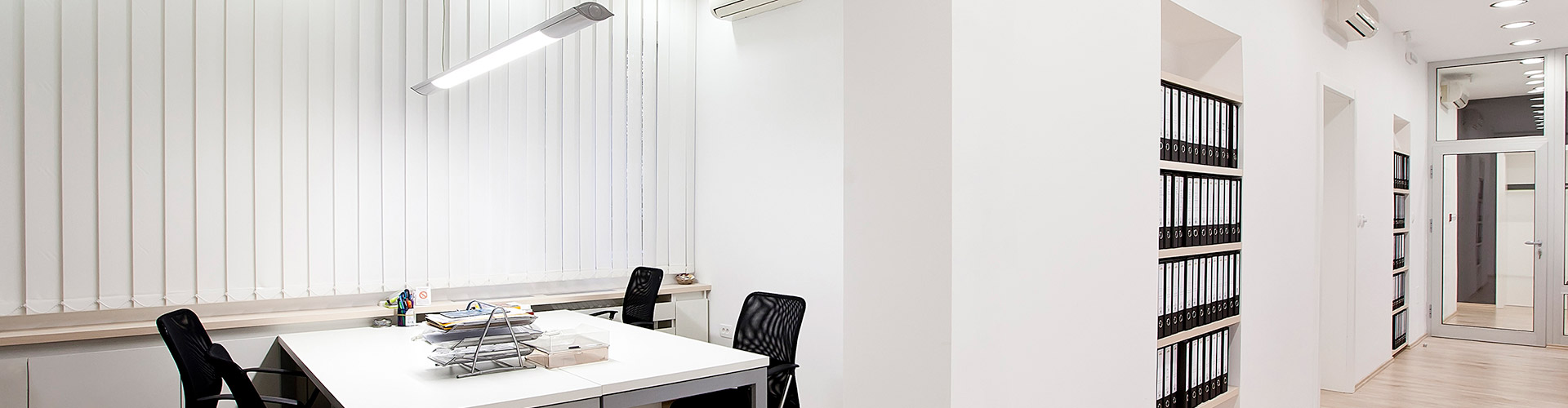
Beyond protecting your investment, quality painting transforms how spaces feel and function. Interior painters in Bar Harbor understand that coastal light behaves differently than inland illumination—rooms facing the harbor might need cooler tones to balance intense reflections, while north-facing spaces benefit from warmer hues that counter shadows. Commercial properties need finishes that align with brand identity while meeting durability standards for high-traffic areas. The goal is creating environments that feel intentional, polished, and built to last through seasons of wear.
Why Coastal Properties Demand Specialized Painting Approaches
The maritime environment surrounding Bar Harbor creates painting challenges that inland communities rarely encounter. Salt spray doesn't just affect beachfront properties—prevailing winds can carry corrosive particles several miles inland, impacting homes in neighborhoods like Eden Street and beyond. This constant exposure accelerates oxidation, causes premature chalking, and degrades standard paint formulations much faster than in drier climates. Choosing exterior painting in Bar Harbor means selecting marine-grade products designed to resist these specific stressors, not just general weathering.
Moisture management becomes equally critical. Coastal fog and humidity levels fluctuate dramatically, especially during transitional seasons when warm Gulf Stream air meets cooler land temperatures. Without proper surface preparation and moisture-resistant primers, these conditions trap water vapor beneath paint films, leading to blistering, peeling, and mold growth. Historic properties with cedar shingles or clapboard siding require special attention—these materials expand and contract with humidity changes, demanding flexible paint systems that move with the substrate rather than cracking under stress.
- Marine-grade primers that create moisture barriers on porous coastal wood
- UV-resistant topcoats formulated to prevent color fading from intense summer sun
- Mildew-resistant additives that combat constant humidity exposure
- Flexible elastomeric coatings for surfaces experiencing thermal movement
These specialized products matter because they address real-world problems homeowners face every year. Marine-grade primers prevent the rotting that occurs when moisture seeps into untreated wood, a common issue in older Bar Harbor homes where original siding might lack modern vapor barriers. UV-resistant topcoats keep that classic New England navy or forest green looking fresh for years instead of months, saving the cost and hassle of frequent repainting. Mildew-resistant formulations mean north-facing walls and shaded porches don't develop the black streaking that plagues coastal properties using standard paints. Elastomeric coatings flex with the natural expansion of wood and composite materials, maintaining a tight seal that prevents water intrusion during freeze-thaw cycles.
Protecting Historic Character While Meeting Modern Standards
Bar Harbor's architectural heritage includes Victorian cottages, Shingle-style estates, and early 20th-century commercial buildings that define the town's visual identity. Maintaining these structures requires balancing historical authenticity with contemporary performance expectations. Interior painters in Bar Harbor often work with homeowners who want period-appropriate color schemes but need modern durability—high-traffic hallways and kitchens demand washable finishes that weren't available when these homes were built. The solution lies in matching historical palettes using advanced low-VOC formulations that deliver both aesthetic accuracy and practical longevity.
Exterior work presents similar challenges. Many properties in the historic district feature intricate trim details, multi-color schemes, and original materials that require careful planning. Stripping and repainting a Queen Anne Revival near West Street involves understanding which elements to accent, how to prepare weathered surfaces without damaging original woodwork, and selecting colors that honor the building's era while meeting homeowner association guidelines. We approach these projects by researching historical paint analysis when available, consulting period color documentation, and using techniques that respect the craftsmanship of original builders.
Modern building codes and environmental standards add another layer of complexity. Lead paint abatement procedures protect occupants and workers when dealing with pre-1978 structures, requiring certified handling and disposal methods. Low-VOC requirements ensure indoor air quality meets current health standards without compromising coverage or finish quality. These aren't obstacles—they're opportunities to preserve Bar Harbor's architectural legacy using methods that enhance both safety and sustainability for future generations.
Seasonal Timing Strategies for Lasting Results
Scheduling house painting in Bar Harbor requires understanding the region's compressed warm-weather window and unpredictable shoulder seasons. Most exterior painting happens between late May and early October, when temperatures consistently stay above the 50-degree minimum most paints require for proper curing. However, peak summer presents its own challenges—intense sun can cause rapid drying that prevents proper flow and leveling, while July and August humidity sometimes exceeds manufacturer recommendations for certain products. The sweet spots are typically late spring and early fall, when moderate temperatures and lower humidity create ideal application conditions.
Interior work offers more flexibility but still benefits from strategic timing. Winter projects make sense for year-round residents who want to minimize disruption during warmer months when they're using outdoor spaces. However, heating costs rise when windows need to stay open for ventilation, and curing times extend in colder indoor temperatures. Spring and fall interior projects balance comfortable working conditions with reasonable energy costs, while avoiding the peak tourist season when many Bar Harbor homeowners prefer not to have contractors on-site.
- Assess weather patterns for your specific microclimate rather than relying on general forecasts
- Plan exterior work during stable high-pressure systems that promise multiple dry days
- Schedule interior projects when adequate ventilation won't compromise comfort or heating budgets
- Build buffer time into contracts to accommodate weather delays without rushing quality
Microclimate assessment matters because properties near the water experience different conditions than those inland or at higher elevations—a home on Mount Desert Street might be ready for painting a week before one near the Shore Path. Stable weather windows ensure each coat cures properly before the next application, preventing adhesion failures that occur when moisture interrupts the process. Ventilation planning for interior work means opening windows strategically to exhaust fumes without creating drafts that stir up dust or cause uneven drying. Buffer time protects both quality and budgets, allowing painters to wait for optimal conditions rather than applying products in marginal weather that compromises long-term performance.
How Color Selection Transforms Coastal Spaces
Choosing paint colors for Bar Harbor properties involves more than personal preference—it requires understanding how coastal light, surrounding landscapes, and architectural context influence perception. The intense, clear light reflecting off Frenchman Bay amplifies colors differently than softer inland illumination. What appears as a soft sage green in a paint store might read as vivid lime in full coastal sun, while deeper hues can lose dimension in shaded areas. Testing samples on actual surfaces at different times of day reveals how colors truly perform in your specific location, preventing costly mistakes.
Surrounding environments also shape effective color choices. Properties with dense evergreen plantings might benefit from warmer exterior tones that prevent the building from feeling cold or recessive against dark foliage. Homes with open ocean views often look best in cooler grays, blues, or whites that harmonize with water and sky rather than competing visually. Commercial spaces along tourist corridors need colors that attract attention without clashing with neighboring businesses—a delicate balance between distinctiveness and community cohesion.
Interior color strategies differ based on room function and natural light exposure. South-facing rooms flooded with sunlight can handle deeper, more saturated colors that might feel oppressive in darker spaces. North-facing bedrooms benefit from warmer neutrals that counter the cool, shadowier quality of indirect light. High-traffic areas like mudrooms and kitchens need colors that hide minor scuffs and dirt without showing every mark—mid-tone grays and taupes perform better than stark whites or very dark shades in these practical applications.
Find Us Locally in the Bar Harbor Area
We proudly serve the entire Bar Harbor area, from Hulls Cove to Otter Creek and everywhere in between. Use the map below to see exactly where we're located and how we can help with your residential and commercial painting needs throughout Mount Desert Island.
Real Questions Bar Harbor Property Owners Ask About Painting Projects
How long should a quality exterior paint job last on a coastal Bar Harbor property?
With proper surface preparation and marine-grade products, expect seven to twelve years depending on exposure levels. South-facing walls and areas receiving direct salt spray may need attention sooner, while protected elevations often exceed the upper range. Regular cleaning and minor touch-ups extend these timelines significantly, making annual inspections a worthwhile investment.
What's the real difference between contractor-grade and premium paints for Bar Harbor homes?
Premium formulations contain higher resin concentrations and better pigments that resist UV degradation and moisture penetration—critical factors in coastal environments. While contractor-grade products cost less initially, they typically require repainting twice as often, making premium options more economical over a property's lifecycle. The performance gap becomes especially apparent in challenging exposures like those common around Bar Harbor.
Can you paint during Bar Harbor's shoulder seasons without compromising results?
Yes, with the right products and weather monitoring. Modern low-temperature formulations cure effectively down to 35 degrees, extending the practical painting season into late fall and early spring. The key is choosing appropriate products for conditions and avoiding application when precipitation threatens within the cure window. Many exterior painting projects in Bar Harbor happen successfully outside the traditional summer months using these specialized materials.
Making Your Bar Harbor Property Look Its Best for Years to Come
Whether you're preparing a seasonal cottage for another summer or updating a year-round home that's weathered countless nor'easters, quality painting protects your investment while transforming how spaces look and feel. The difference between adequate and exceptional results comes down to understanding local conditions, choosing appropriate products, and applying them with the care your property deserves. From the prep work that ensures proper adhesion to the final coat that seals everything together, each step matters in creating finishes that stand up to Bar Harbor's demanding climate.
Professional results reflect not just skill but knowledge—knowing which primers prevent tannin bleed-through on cedar, how to detail window trim so water sheds properly, when to apply elastomeric coatings versus traditional paints, and how to schedule work around weather patterns. These aren't details you find in manufacturer brochures; they're insights gained from years of working specifically in coastal New England conditions. That experience translates directly into projects that look better and last longer, saving you money and hassle over the years you'll enjoy your property.
Ready to transform your Bar Harbor property with painting that's built to last? Schedule your consultation with Accent Painting, Inc. or call 207-323-3374 to discuss your project and discover how professional craftsmanship makes all the difference.