
By using our website, you agree to the use of cookies as described in our Cookie Policy
Best Way to Paint Rental Properties in Mid Coast Between Tenants
Most landlords think painting is just about slapping color on walls. Fresh coat, new tenant, done. But in Mid Coast, where salt air and humidity don't play nice with cheap finishes, you're setting yourself up for callbacks and complaints if you cut corners. Paint isn't just cosmetic — it's your first line of defense against wear, moisture damage, and the kind of neglect that turns a good property into a hard-to-rent headache.
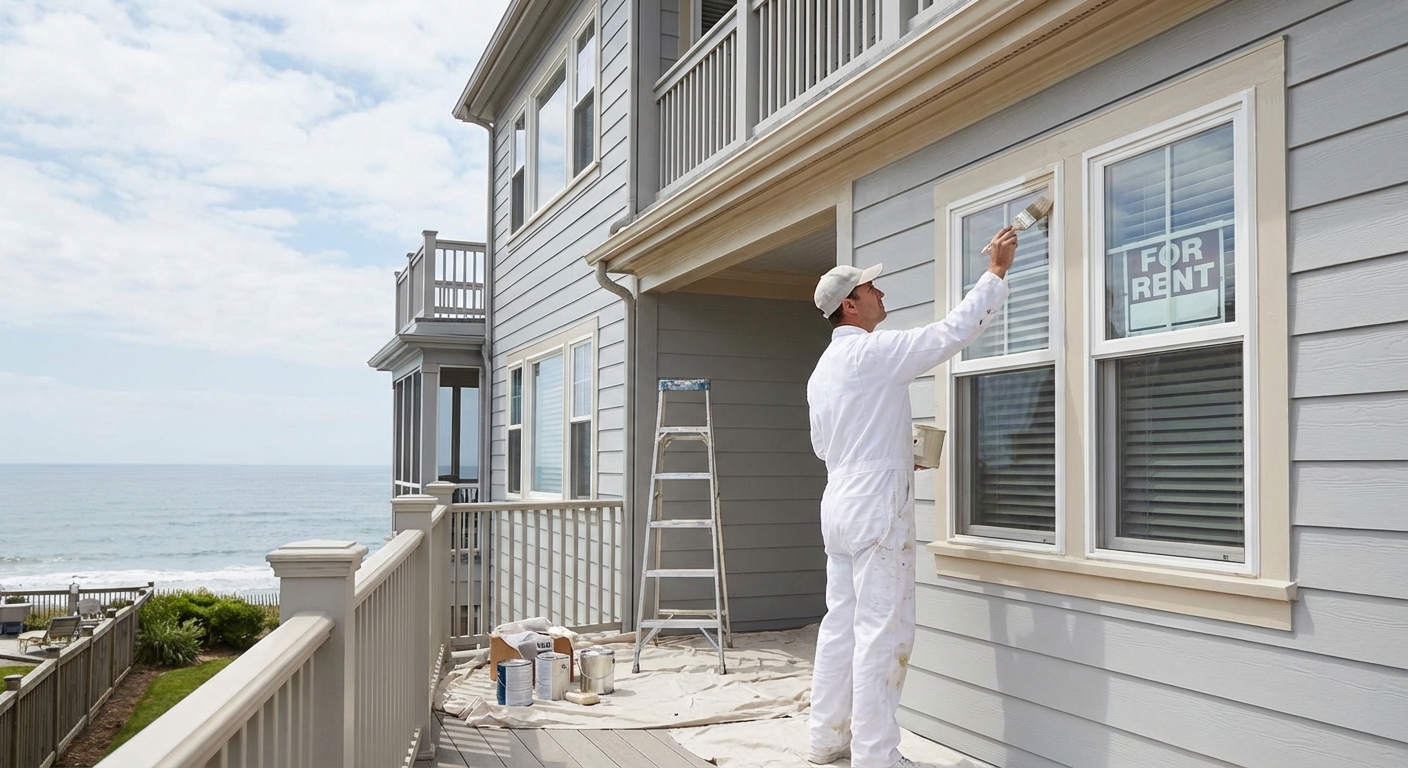
So here's the reality. If you're turning over a unit, that's your window to fix what the last tenant broke and prep for what the next one will put it through. Every wall should be inspected. Every repair should be documented. And every paint decision should be grounded in durability and appeal — not just what's on sale at the hardware store.
Walls Tell You Everything You Need to Know
Walk the property before you buy a single gallon. Look for holes from picture hooks, scuff marks along baseboards, water stains near windows, and peeling paint in bathrooms. High-traffic zones like hallways and kitchens take the most abuse, and that's where you'll find the real work. Make a list. Patch holes. Sand rough spots. Clean grime off surfaces.
If you skip this step, your paint job will look amateur within weeks. The IRS won't care, but your next tenant will — and so will your vacancy rate.
Not All Paint Holds Up the Same
Coastal properties face conditions that interior painting in other regions don't. Humidity seeps in. Salt air corrodes. Cheap flat paint shows every fingerprint and wipes off with the first cleaning. You need washable, durable finishes that can take a beating.
Here's what works in Mid Coast rentals:
- Satin or eggshell finishes for living rooms and bedrooms — they hide imperfections and wipe clean without losing their sheen
- Semi-gloss or moisture-resistant paint for kitchens and bathrooms — humidity doesn't stand a chance
- Neutral tones like soft gray, beige, or warm white — they appeal to everyone and make spaces feel bigger
- High-quality brands that don't require four coats to cover — time is money, and so is labor
- Stain-blocking primers for any area with previous water damage or dark colors underneath
Prep Work Separates Pros from Amateurs
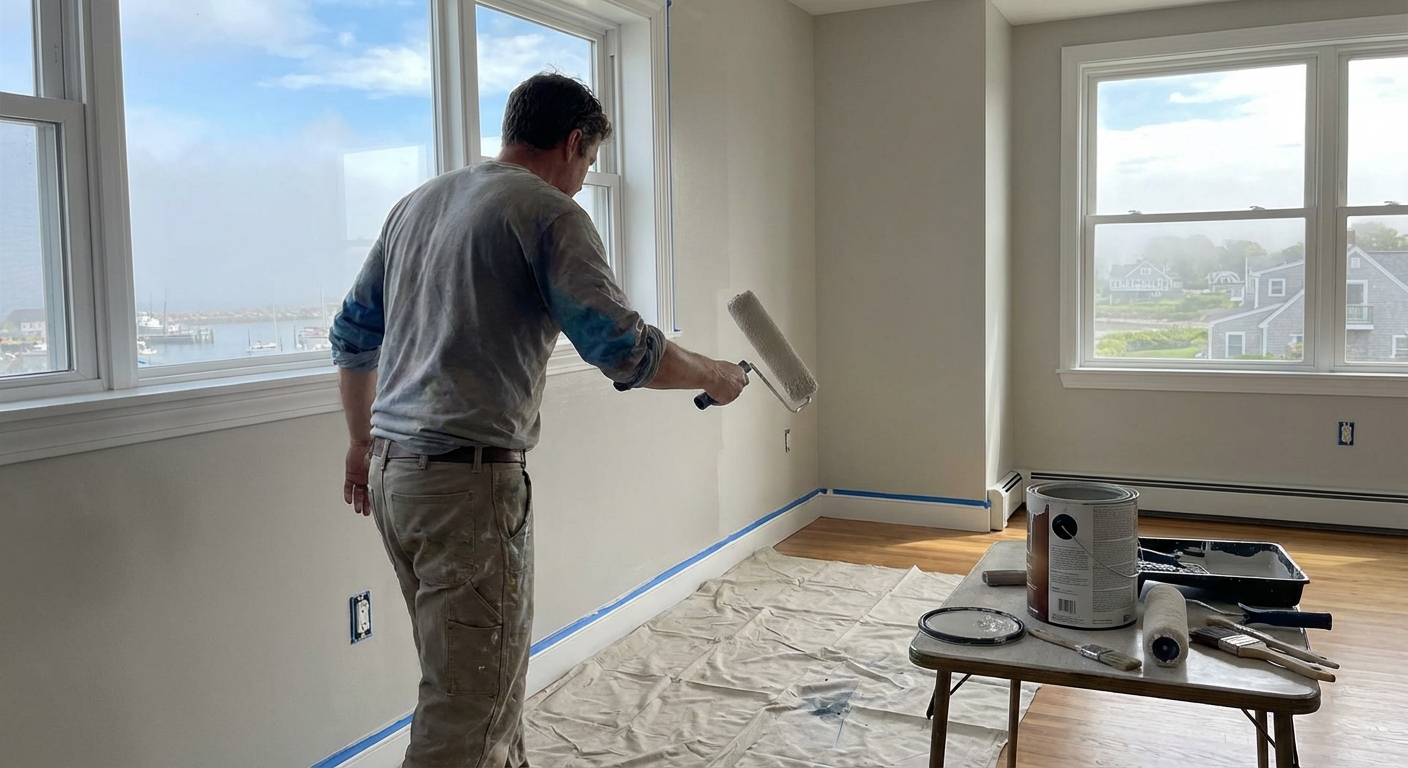
You can't paint over dirt and expect it to stick. Remove outlet covers, light fixtures, and anything else that'll get in the way. Wipe down walls to clear dust and grease. Tape off trim, windows, and door frames. Lay drop cloths over floors.
This isn't optional. It's the difference between a clean finish and a sloppy one that screams "landlord special." Tenants notice. And when they notice, they either move in or keep scrolling.
Patch First, Prime Smart
Fill every hole with spackle or joint compound. Sand it smooth once it dries. If there are stains — coffee spills, crayon marks, water damage — hit them with a stain-blocking primer. Otherwise, they'll bleed through your topcoat and ruin the whole job.
Priming also matters when you're covering dark colors or glossy surfaces. It helps the new paint grip and ensures even coverage. Skip it, and you'll be doing three coats instead of two.
Roll Smart, Brush Tight
Start with ceilings, then walls, then trim. Use a quality roller for large surfaces and a brush for edges and corners. Apply thin, even coats — don't overload the roller or you'll end up with drips and uneven texture. Let each coat dry completely before adding the next.
Two coats are standard. Rushing through one thick coat won't save you time — it'll cost you in touch-ups and tenant complaints.
Details Make the Difference
Baseboards, window sills, door frames — these are the spots tenants see up close. Freshly painted trim elevates the whole space. If your budget allows, swap out old hardware or light fixtures. Small upgrades signal quality and justify higher rent.
Don't ignore the little things. They add up fast, and they're what separate a property that rents in days from one that sits for weeks.
Clean Up Like You Mean It
Once the paint dries, pull the tape carefully to avoid peeling the new finish. Clean up drips and splatters. Reinstall outlet covers and fixtures. Walk through every room with a critical eye and touch up any missed spots or rough edges.
A final inspection isn't about perfection — it's about making sure the property is move-in ready and meets the standard you set. If you wouldn't rent it to yourself, don't expect someone else to sign the lease.
What Landlords Get Wrong
Trying to stretch one coat over dark walls with cheap paint? You'll be back in two months fixing it. Skipping prep because you're in a hurry? The finish will show it. Using flat paint in a rental? Every scuff mark becomes a permanent reminder of why that was a bad call.
Most landlords who struggle with turnover aren't losing tenants because of the market — they're losing them because the property looks tired. Fresh paint fixes that. But only if it's done right.
When to Bring in Help
If you're managing multiple properties or dealing with extensive damage, DIY stops making sense. A residential painting crew can knock out a full unit in a day or two, and the finish will hold up longer than anything you'd rush through on a weekend.
Here's what pros bring to the table:
- Speed without sacrificing quality — they've done this a thousand times
- Access to commercial-grade materials that last longer
- Clean lines and even coverage that tenants notice
- Proper surface prep that prevents callbacks
- Insurance and accountability if something goes wrong
Timing Matters More Than You Think
The window between tenants is short. Every day the unit sits empty is lost income. But rushing a paint job to shave off a day or two will cost you more in the long run — either in tenant complaints or in having to redo it sooner than planned.
Plan your turnover timeline around drying times, weather conditions, and availability of materials. In Mid Coast, humidity can slow drying, so factor that in. A well-planned paint job takes three to five days from start to finish, including prep and cleanup.
Keep Records, Protect Your Investment
Document everything. Take photos before and after. Keep receipts for materials and labor. Note which rooms were painted and what products were used. If a tenant tries to claim pre-existing damage or if you need to justify a security deposit deduction, you'll have the proof.
Good records also help you track maintenance cycles. If you're repainting every turnover, something's wrong — either with your paint choice, your tenant screening, or your lease terms.
Paint Smart, Rent Faster
Turning over a rental isn't just about getting it ready for the next tenant. It's about protecting your asset, maintaining your reputation, and keeping your income stream steady. There's no shortcut when the work matters. But there's also no excuse for doing it wrong when the process is this straightforward.
In Mid Coast, where properties face unique environmental challenges, the landlords who win are the ones who treat paint as an investment — not an expense. Fresh walls attract better tenants, justify higher rents, and reduce the kind of maintenance calls that eat into your margins. Understanding color psychology can help you select tones that appeal to a broader tenant base, while knowing the perfect color palette ensures your property stands out in a competitive rental market. For professional results that last, consider working with an experienced painting contractor in Midcoast Maine. Do it right the first time, and you won't be doing it again six months later.
Let’s Get Your Rental Ready for the Next Tenant
We know how important it is to keep your rental properties looking sharp and protected from Mid Coast’s unique climate. If you want a paint job that stands up to the elements and impresses every new tenant, let’s talk about how we can help. Call us at 207-323-3374 or get a quote today and let’s make your next turnover your easiest yet.
‹ Back